Embarking on a new building construction project is one of the most exciting and rewarding endeavors you can undertake. Whether you are building your dream home from scratch, expanding an existing property, or developing a commercial space, the journey from a vacant lot to a finished structure is a complex puzzle. The most critical piece of that puzzle? Finding the right team to bring your vision to life.
Partnering with reliable professionals ensures your project stays on budget, meets safety standards, and is completed on time. In this comprehensive guide, we will explore everything you need to know about navigating the construction landscape, from the initial planning phases to the final interior touches, and how to find the perfect contractors to execute your plan.
The Foundation of Success: Planning and Preparation
Before a single shovel hits the dirt, a successful build requires meticulous planning. The decisions you make during these early phases will dictate the trajectory of the entire project.
Mastering the Stages of Residential Project Planning
The initial phase of any build can feel overwhelming, but breaking it down into the core stages of residential project planning makes it manageable.
Feasibility and Budgeting
Determine what you can afford and whether your vision aligns with your financial reality.
Design and Architecture
Work with architects to translate your ideas into actionable designs.
Pre-Construction
This involves finalizing schedules, procuring materials, and assembling your contracting team.
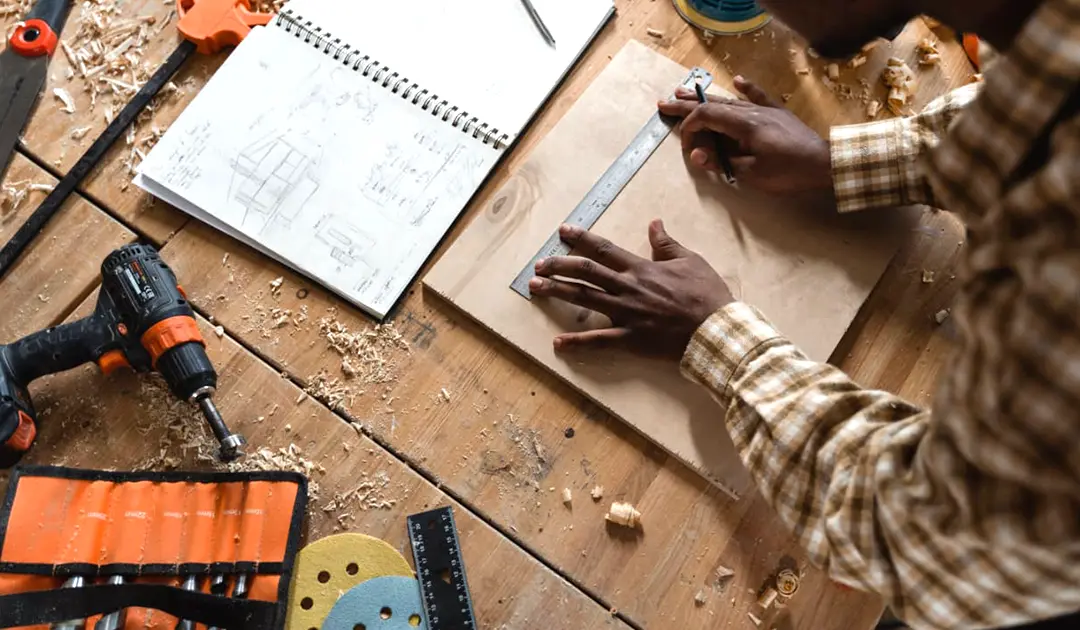
During the design phase, you will need to learn the basics of how to read architectural blueprints. While you do not need to be a seasoned architect, understanding standard symbols, scale, and elevation drawings will allow you to visualize room dimensions, window placements, and door swings. This knowledge empowers you to catch potential design flaws before they become costly physical mistakes.
Navigating Permits and Regulations
A crucial, but often dreaded, part of the pre construction phase is paperwork. Obtaining necessary municipal zoning permits is non negotiable. Zoning laws dictate what you can build, how tall the structure can be, and how close it can sit to property lines.
Furthermore, your design must adhere strictly to international building code requirements, alongside any specific local amendments. These codes govern everything from structural integrity and fire safety to ventilation. A reputable contractor will handle the bulk of this red tape, ensuring your project is legally compliant and safe for occupancy.
Finding the Right Construction Companies Nearby
When you are ready to transition from paper to physical labor, assembling your team is the next big hurdle. For many, the search begins by typing “construction companies near me” into a search engine. While local proximity is highly beneficial for site management and communication, it is vital to vet these companies thoroughly.
If you are located in South Africa’s Gauteng province, for example, the local market is highly competitive. You might be looking for specialized construction companies in Pretoria that understand the specific soil conditions of the area, or perhaps construction companies in Centurion known for modern residential developments. Similarly, if your project is situated closer to the business hubs, finding experienced construction companies in Midrand can connect you with builders who have vast networks of local suppliers and subcontractors.
The Importance of Licensing and Experience
Regardless of where you are located, hiring licensed general contractors is the single best way to protect your investment. Licensed contractors carry the necessary liability insurance and worker’s compensation, shielding you from financial ruin if an accident occurs on site.
When interviewing potential construction companies, ask for portfolios of past work, follow up with their references, and verify their standing with local licensing boards. Construction is a massive investment. You want a partner who communicates transparently and has a proven track record of delivering quality results.
Groundwork: Setting the Stage for Your Build
With your team in place and permits in hand, the physical work begins. The groundwork is arguably the most critical phase, as any mistakes here will compromise the entire building.
Site Preparation and Excavation
The site preparation and excavation process involves clearing the land of trees, rocks, and debris, followed by leveling the ground. During this phase, expert contractors focus heavily on mitigating common site drainage issues. If water is allowed to pool around your future foundation, it can cause severe structural damage over time.
Proper grading, ensuring the land slopes away from the building site, and the installation of French drains or retaining walls are essential steps to keep the site dry and stable.
Choosing the Right Structural Core
Once the site is prepped, it is time to lay the foundation. There is no one size fits all approach here. Builders must select specific foundation types for different soil conditions.
Slab on Grade Foundations
Cost effective and ideal for stable, compact soils.
Crawlspace or Basement Foundations
Work well in sloped plots or climates where the frost line is deep.
Pile or Pier Foundations
Necessary for loose, sandy, or expansive clay soils, driving deep into the earth to find bedrock or stable ground.
Following the foundation, the skeleton of your building is erected. A common debate during this phase is choosing between concrete versus steel structural frames.
Concrete Structural Frames
- Excellent fire resistance.
- Superior sound insulation.
- High thermal mass for energy efficiency.
Steel Structural Frames
- Outstanding strength to weight ratio.
- Allows wider open plan spaces.
- Faster installation.
The right choice depends on your project’s architectural style, budget, and local climate.
Exploring Sustainable and Modern Techniques
As the building construction industry evolves, so do the methods and materials used by top tier contractors. Today, efficiency and eco friendliness are at the forefront of innovative building practices.
Embracing Green Building Materials
Forward thinking builders are increasingly utilizing cost effective sustainable materials for builders. These include reclaimed wood, recycled steel, bamboo flooring, and insulated concrete forms.
Not only do these materials reduce the environmental footprint of your project, but they often provide superior durability and insulation, saving you money on long term utility and maintenance costs.
Efficiency Through Modern Methods
We are also seeing a rise in modern modular assembly techniques. Instead of building every component on site exposed to the weather, sections of the home, or even entire rooms, are prefabricated in climate controlled factories. These modules are then transported to the site and assembled like giant building blocks.
This method significantly reduces waste, avoids weather delays, and ensures high precision.
Interestingly, many of the scheduling and efficiency tactics used in modern residential builds are borrowed directly from heavy civil project management. Large scale infrastructure projects, such as bridges and highways, rely on rigorous critical path methodologies to ensure materials and labor arrive exactly when needed. By applying these strict management principles to residential and commercial builds, reliable contractors can dramatically reduce project timelines and overhead costs.
Bringing the Building to Life: Systems and Finishes
Once the structure is weather tight, meaning the roof, windows, and exterior doors are installed, the focus shifts inward. This phase transforms a hollow shell into a livable, breathing environment.
Integrating Internal Systems
The internal workings of a building must be installed in a very specific order. The plumbing and electrical rough in sequence is carefully orchestrated before any insulation or drywall goes up.
Plumbers run the main water and waste lines, while electricians pull wiring to all future outlet, switch, and fixture locations. Doing this out of sequence can result in having to tear down freshly installed walls, leading to frustrating delays and wasted money.
Simultaneously, specialists will work on energy efficient HVAC system integration. Heating, ventilation, and air conditioning account for the majority of a building’s energy consumption. By integrating smart thermostats, high efficiency heat pumps, and appropriately sized and sealed ductwork during the rough in phase, contractors ensure your space will be comfortable year round while keeping utility bills to an absolute minimum.
The Final Touches: Interiors
With the internal systems inspected and approved, the walls are finally closed up. This brings us to the finishing stages, where craftsmanship truly shines.
Interior Finishing and Drywall Installation Tips
- Proper Acclimation: Ensure drywall and wood finishes acclimate to the building’s internal humidity before installation to prevent warping or cracking.
- Feathering Seams: When mudding drywall, skilled tradespeople use progressively wider knives to feather the joint compound, creating an imperceptible transition between panels.
- Lighting Considerations: Before final painting, contractors should use strong raking light to inspect the drywall for imperfections, ensuring a flawless finish once your actual fixtures are installed.
Following the drywall, the final stages include installing cabinetry, laying flooring, attaching trim and molding, and applying the final coats of paint. It is during these final weeks that your vision fully materializes into a tangible reality.
Conclusion
Building construction is a monumental task that requires a symphony of planning, engineering, and artistry. From the initial stages of drawing up blueprints to the final sweep of the interior floors, every step demands precision and expertise.
The secret to a stress free and successful build always comes back to the people you hire. By taking the time to research and partner with reliable, licensed contractors in your area, you ensure that your project rests in capable hands.
Whether you are dealing with complex zoning permits, deciding on the best foundation for your soil, or integrating the latest energy efficient technologies, a trustworthy construction company will guide you safely through the process, turning your architectural dreams into a lasting, structural reality.