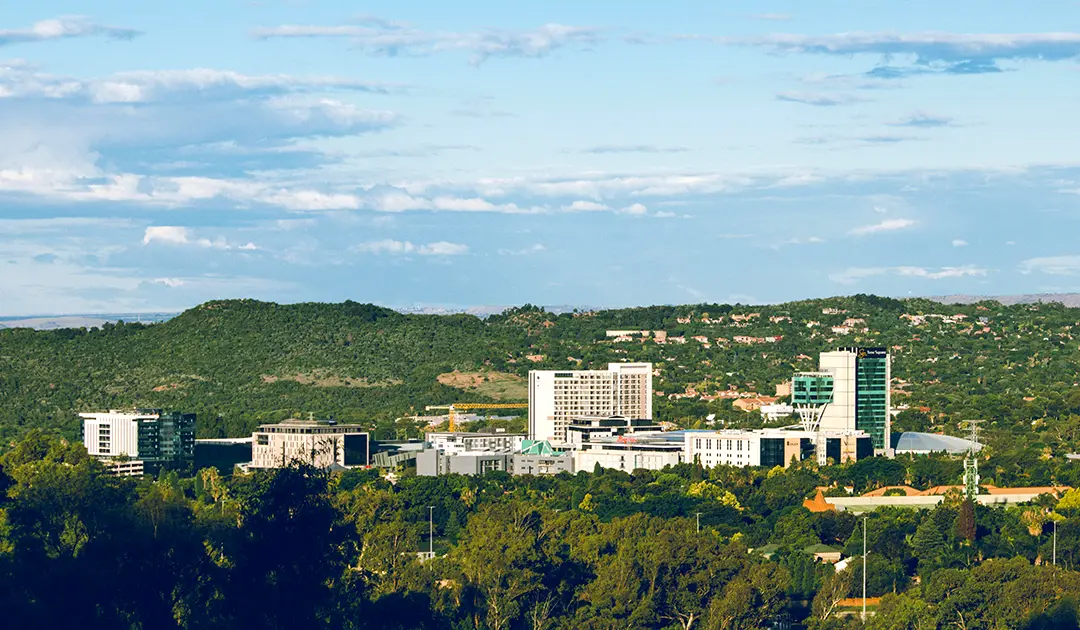
The landscape of South Africa’s administrative capital is undergoing a remarkable transformation. From the sprawling, ultra modern residential estates in the east to the revitalization of historic commercial hubs in the inner city, construction in Pretoria is experiencing a dynamic boom. For property developers, homeowners, and investors, navigating this evolving market requires a blend of local knowledge, financial savvy, and an understanding of the latest industry trends.
Whether you are planning to build your dream home, invest in a multi story office park, or breathe new life into a historic gem, understanding the nuances of the local built environment is crucial. In this comprehensive guide, we will explore the emerging trends, regulatory frameworks, and practical considerations shaping the future of construction in the Jacaranda City.
The State of Development: Residential vs Commercial
When analyzing the current market, it is fascinating to look at the trends driving residential vs commercial property development in Gauteng. Historically, commercial development dominated the urban core, while residential growth expanded outward. Today, Pretoria is seeing a massive surge in mixed use developments and secure, lifestyle focused residential estates.
The shift towards remote and hybrid work has prompted developers to rethink spatial planning. While commercial construction focuses on agile workspaces and decentralized office parks in areas like Menlyn, residential construction is heavily geared toward self sustaining eco estates. Understanding this regional shift is vital for investors deciding where to allocate their capital for the highest return on investment.
Financial Planning: Understanding Your Build Costs
One of the most common questions prospective homeowners ask is regarding building a house in Pretoria costs. Budgeting accurately is the foundation of any successful project, and understanding the financial landscape will save you from unexpected surprises down the line.
To set a realistic budget, you need to look at the average cost per square meter for building in South Africa. Currently, this can range anywhere from R10,000 to R25,000 per square meter. However, these figures are highly dependent on your chosen finishes, the complexity of your design, and the topography of your stand.
Actionable Budgeting Tips
- Contingency Fund: Always allocate an additional 10% to 15% of your total budget for unforeseen expenses.
- Standard vs Luxury Finishes: High end items like imported tiles, custom cabinetry, and specialized lighting can easily double your cost per square meter.
- Site Preparation: Do not underestimate the cost of earthworks. Clearing, leveling, and preparing a site can take a significant chunk out of your budget before a single brick is laid.
Navigating Local Regulations and Municipal Approvals
A major hurdle for many developers and homeowners is dealing with municipal red tape. Knowing how to get building plans approved in Tshwane efficiently can shave months off your project timeline.
Before any construction begins, your architectural plans must be submitted to the City of Tshwane’s building control office. This requires the involvement of a SACAP registered architect or draftsman. Furthermore, if your project involves changing the zoning of a property, such as converting a residential stand into a commercial office, you will need to navigate the City of Tshwane land use management application process. This process includes public participation, impact studies, and municipal tribunal hearings, which require patience and professional town planning assistance.
Even minor additions are strictly regulated. For instance, you must adhere to the legal requirements for building a boundary wall in Tshwane. The municipality enforces specific bylaws regarding maximum heights, typically 1.8 meters on street facing boundaries without special consent, structural integrity, and the use of electric fencing. Non compliance can lead to hefty fines and demolition orders.
Conquering Geotechnical and Soil Challenges
Pretoria is geographically diverse, which means what lies beneath the surface varies drastically from one suburb to the next. Failing to account for local soil conditions is a costly mistake.
For example, builders frequently encounter common challenges with soil conditions in Pretoria East. The area is notorious for highly active, expansive clay. When this soil absorbs water, it swells, and when it dries, it shrinks. This movement can severely crack standard foundations, requiring specialized raft foundations or deep piling to ensure structural stability.
Conversely, if you are building further south, you face an entirely different geological threat. The implementation of rigorous structural engineering for dolomite risk zones in Centurion is an absolute necessity. Dolomite is a type of rock that dissolves in water over time, leading to the formation of sinkholes. Before building in Centurion, a mandatory dolomite stability investigation must be conducted by a geoscientist.
To safely design foundations in these complex terrains, it is highly recommended to consult with top rated civil engineering firms in Pretoria North and surrounding areas who have localized expertise in sinkhole mitigation and reinforced structural design.
Designing for the Climate: Sustainability and Efficiency
With rising utility costs and a global push toward eco friendly living, green building is no longer just a buzzword. It is an industry standard. Creating energy efficient home designs for the Highveld climate is an emerging trend dominating new builds.
The Highveld experiences distinct seasons, hot summers with thunderstorms and cold, dry winters. Effective design leverages this climate.
Key Design Principles
- Orientation: Position the longest side of the house facing north to maximize winter sunlight while roof overhangs provide shade during summer.
- Thermal Mass: Materials such as clay brick and concrete absorb heat during the day and release it at night, regulating indoor temperatures.
- Insulation: High quality roof insulation and double glazed windows significantly reduce heating and cooling costs.
For developers aiming for top tier marketability, achieving sustainability certifications for new builds in Gauteng is a strategic move. Certifications such as Green Star and EDGE demonstrate measurable improvements in energy, water, and material efficiency while increasing long term property value.
Restoring the Past: Heritage Construction
While the eastern suburbs expand with modern glass and steel, the heart of the city holds historical treasures. There is a growing architectural movement dedicated to renovating old heritage buildings in Pretoria Central.
Restoring these properties requires a delicate touch and a deep understanding of heritage laws. Any building older than 60 years is protected under the National Heritage Resources Act. Before altering the facade or structure of a historical property, developers must obtain approval from the Provincial Heritage Resources Authority Gauteng.
Adaptive reuse, transforming old post offices, banks, or colonial homes into boutique hotels, loft apartments, or creative office spaces, continues to grow as one of Pretoria’s most exciting construction sectors.
Sourcing Materials and Managing Your Project
The success of any build heavily relies on the supply chain and project oversight. Delays in material delivery can derail your timeline and inflate costs. A practical strategy is sourcing reliable building material suppliers in Silverton, one of Pretoria’s oldest industrial hubs.
Turnkey Construction vs Project Management
Turnkey Construction
You appoint a single construction company to manage the entire project from concept to completion. This approach is convenient and minimizes client involvement but usually comes at a higher cost.
Project Management
You or a hired project manager coordinate all subcontractors individually. This provides greater control over costs and materials but requires significant construction knowledge and time commitment.
Choosing the Right Construction Partners
Ultimately, your project is only as good as the team building it. With a growing number of contractors entering the market, conducting proper due diligence is essential.
If you are developing in Pretoria East, prioritizing NHBRC registered home builders is highly recommended. Registration helps protect homeowners through prescribed building standards and structural warranty protection.
Interview multiple construction companies, review portfolios, visit active building sites, and speak with previous clients. Companies with strong local experience often have better relationships with subcontractors, suppliers, and municipal inspectors, helping projects run more smoothly.
Conclusion
The evolution of construction in Pretoria is a testament to the city’s resilience and growth. From integrating green technologies to engineering complex foundations in dolomite zones, the local industry continues to evolve.
Whether you are navigating Tshwane’s zoning regulations, estimating building costs, or selecting the right contractor, success depends on thorough planning and partnering with experienced professionals.
By embracing sustainable design, respecting heritage regulations, and working with reputable local suppliers and contractors, your construction project can become part of Pretoria’s growing skyline while delivering lasting value.
Frequently Asked Questions
How do I choose between large construction companies and smaller specialist contractors?
The decision depends on your budget, appetite for project management, and the complexity of your build. Larger companies often provide complete project management, while smaller specialists can offer more flexibility and competitive pricing.
How long does building plan approval in Tshwane usually take?
Approval times vary depending on the quality of the submission, municipal workloads, and whether additional approvals such as zoning or heritage permissions are required.
Do I need a geotechnical investigation before building?
Although not always mandatory, a geotechnical investigation is highly recommended. It helps determine the most suitable foundation design and can prevent expensive structural problems later.
What construction costs are most commonly underestimated?
Many homeowners underestimate site preparation, retaining walls, stormwater management, professional fees, municipal approvals, utility connections, and finish upgrades selected during construction.
What should I verify before appointing a contractor?
Check registrations such as NHBRC where applicable, insurance, references, completed projects, contract terms, payment milestones, and visit active building sites before making a final decision.
Are green building features worth the investment?
Yes. When incorporated into an overall building strategy, features such as proper orientation, insulation, quality glazing, and solar ready electrical systems reduce operating costs while improving comfort and long term property value.